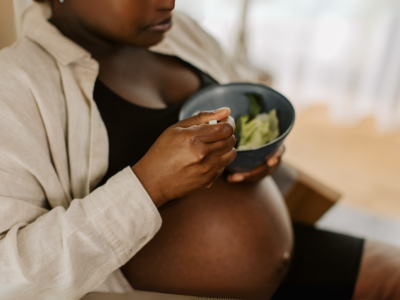
Vitamin D in pregnancy: What we know and what we need to know
The role of vitamin D in the promotion of human health has received much attention in recent decades, yet evidence to support a benefit of vitamin D supplementation for prevention of adverse health outcomes is often debated. In particular, the importance of vitamin D for the protection against several adverse perinatal outcomes remains uncertain owing to contradictory findings from observational studies and clinical trials. As neonatal vitamin D status is dependent on maternal stores, there is a general appreciation that avoidance of maternal vitamin D deficiency is required for adequate protection of the fetal skeleton. Trial evidence supports a greater vitamin D requirement during pregnancy for the prevention of neonatal deficiency, yet neonatal requirements are not considered in current UK or international guidelines for prenatal vitamin D intakes. This webinar will provide an overview of the potential consequences of vitamin D deficiency during pregnancy. The strengths and limitations within the field of vitamin D-related research will be discussed, in view of understanding the current state of the evidence surrounding the role of vitamin D in pregnancy, postpartum, and early life.
What will I gain from this webinar?
- You will gain an understanding of the changes in vitamin D metabolism that occur during pregnancy.
- You will be able to critically evaluate the current state of evidence for the role of vitamin D in pregnancy and early life.
- You will be able to identify current knowledge gaps relating to recommendations for vitamin D intakes during pregnancy and postpartum.
Curriculum
- 1 Section
- 2 Lessons
- Lifetime
- Vitamin D in pregnancy: What we know and what we need to know2
Instructor

Dr Karen M. O’ Callaghan is a Lecturer and Nutritional Scientist in the Department of Nutritional Sciences at King’s College London, UK. Her research interests lie within the areas of maternal-child nutrition, infant growth and musculoskeletal health. She has extensive expertise in conducting human nutrition studies (intervention and observational) in young children and women during pregnancy in both high- and low-middle income settings. She completed her PhD (2017) in Vitamin D and Health during Pregnancy at University College Cork (UCC), Ireland, after which she undertook a research fellowship within the Centre for Global Child Health at the Hospital for Sick Children, Toronto, where her research was largely dedicated towards investigating the effects of vitamin D supplementation during pregnancy on maternal and child health outcomes.
Her research aims to advance understanding of the nutritional requirements for vitamin D in pregnancy and lactation, biological interactions between micronutrients, and bone mineral metabolism during pregnancy, lactation and early childhood. Her research goals encompass a strong dedication towards the advancement and transparent use of nutritional biomarker data to address critical issues in global and public health nutrition.