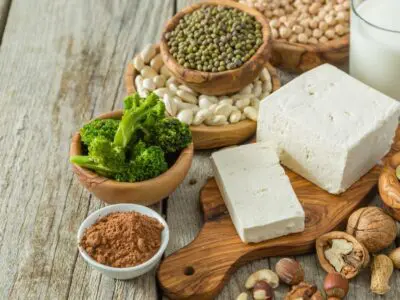
Shifting towards plant proteins in older adults: A focus on protein quality
There is an increasing global shift towards plant-based diets, driven largely by environmental concerns. This dietary transition is now extending to vulnerable populations, such as older adults and patients, with many hospitals incorporating plant-based meals into their offerings. But is this a beneficial change for these groups?
This webinar addresses the benefits and risks of following a plant-based diet for older adults, focusing on protein quality. Plant proteins often have lower quality compared to animal alternatives, potentially leading to muscle mass and bone mineral density loss. However, smart combinations of plant foods can achieve high protein quality. To support this transition into plant-based diets, two tools will be introduced; (1) The Meal Protein Quality Score, which evaluates meal quality by considering protein combinations, digestibility, amino acid patterns, and timing; (2) The Alpha-Tool, which allows for the calculation and optimisation of protein quality in recipes and meals. These tools are designed to help dietitians, hospital chefs, and researchers balance health and sustainability in plant-based diets.
What will I gain from this webinar?
- A deeper understanding of protein quality, especially in the context of plant-based foods.
- Insight into the potential health risks associated with an unconsidered transition to plant-based diets in older adults.
- Practical knowledge of how to optimise protein quality for older adults through smart food combinations and the use of innovative tools.

Curriculum
- 1 Section
- 2 Lessons
- Lifetime
- Shifting towards plant proteins in older adults: a focus on protein quality2
Instructor

Pol Grootswagers is an assistant professor in Nutrition and Ageing at Wageningen University. He coordinates research projects on plant proteins and ageing and a European consortium that develops tools to assess the protein quality of plant-based meals. He has developed a novel protein quality scoring algorithm: Meal Protein Quality Score, and a web tool that calculates the quality of plant-rich meals: The Alpha Tool.