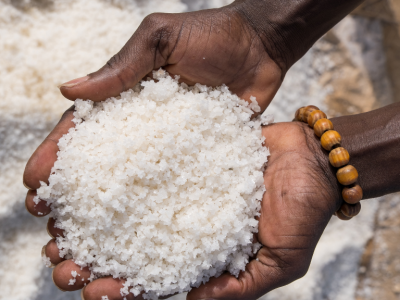
Iodine Nutrition – a lens on the Sub-saharan Africa population
Iodine is an essential trace mineral, vital for its functions in many physiological processes in the human body such as the synthesis of thyroid hormones to regulate different metabolic activities the development of the central nervous system and the brain. Join Dr Brenda Abu as she reviews iodine status among populations in Sub-saharan Africa (SSA) and populations at risk of iodine deficiency and excess iodine intake. From the data, you will discuss the evidence that countries are adopting universal salt iodisation (USI) programmes, and becoming familiar with food sources of iodine in SSA. You will also be guided through case studies from countries that have adopted USI programmes.
What will I gain from this webinar?
- You will be able to describe the physiological effects of iodine deficiency and iodine excess on the body.
- Be able to critically discuss the strength of the evidence of the prevalence of iodine deficiency disorders and excess iodine consumption in SSA, and potential sources within the food system.
- An understanding of populations at risk of excess iodine intake and public health strategies to avert the risks, as well as implications for practice.
Curriculum
- 1 Section
- 2 Lessons
- Lifetime
- A review of Iodine Nutrition in Africa2
Instructor

Dr. Abu is an Assistant Professor at the Wegmans School of Health and Nutrition at the Rochester Institute of Technology, New York. Dr. Abu has experience as a clinical dietitian, lecturer, and nutrition consultant. Her research interests include micronutrient deficiencies, food security, maternal and child nutrition, program/project design and impact assessment, and stakeholder engagement.
Dr. Abu works with multi-disciplinary teams to address food and nutrition security among college students and senior citizens (USA). She is also involved with addressing anemia in low-income/resource communities using sustainable food-based approaches while facilitating stakeholder engagement (Ghana).