Dietary Restriction in People Living with an Ileostomy
| People living with an ileostomy are often advised to follow restrictive diets in the early period after surgery to reduce the risk of complications. However, these dietary restrictions can persist long after recovery, leading to long-term avoidance of fibre-rich foods such as fruits, vegetables, nuts and whole grains. While often well-intentioned, this pattern may have unintended consequences for nutritional status, hydration and overall quality of life. In this webinar, we will explore current evidence on dietary behaviours among people living with an ileostomy and how these patterns may influence long-term health outcomes. The session will highlight common nutritional challenges in this population, including food avoidance, dehydration and high-output stoma, alongside the practical barriers that shape dietary choices. Importantly, we will discuss how personalised nutrition guidance and evidence-based dietary advice may help support dietary diversity, improve nutritional adequacy and enhance quality of life for people living with an ileostomy. Join Niamh to:
|
Curriculum
- 1 Section
- 1 Lesson
- Lifetime
Instructor
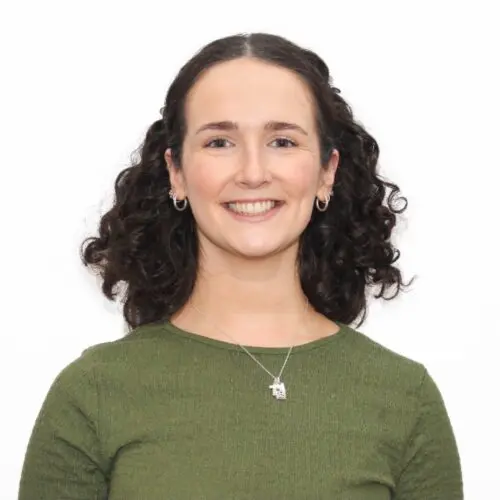
Niamh earned a Bachelor of Science in Nutrition and Food Science at Queen Margaret University before beginning her career in the food industry as a New Product Development Technologist. Driven by a desire to apply the clinical knowledge gained during her undergraduate studies, she transitioned into a role as a dietetic support worker in the Southeastern Health and Social Care Trust, which solidified her interest in patient-centred nutrition.
Now a PhD researcher within from the Nutrition Innovation Centre for Food and Health (NICHE) at Ulster University, her research explores the dietary patterns and nutritional challenges faced by individuals living with an ileostomy. Dedicated to Patient and Public Involvement in research, Niamh is an active committee member of the Ileostomy Association Northern Ireland and serves as a patient ambassador for the Association of Coloproctology of Great Britain and Ireland. Her PhD utilises both qualitative and quantitative research methods to enhance the quality of life for those with an ileostomy, bridging the gap between research and real-world patient needs.